Pakistan History of Real Estate: A Journey from the 1970s to Modern Times
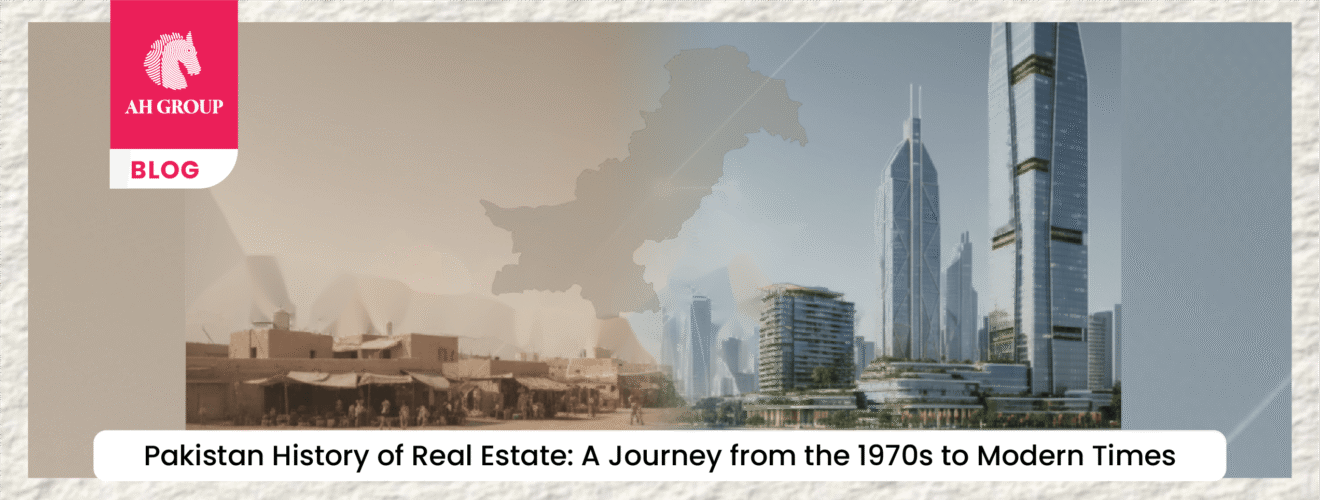
Pakistan’s journey in real estate is a fascinating story that mirrors the country’s own evolution. From the early days of unplanned cities to modern high-rise developments, real estate in Pakistan reflects its growth, struggles, and aspirations. Understanding this transformation offers insights into Pakistan history, economic growth, and how the nation has progressed over the decades.
The Early Days: Foundations of Pakistan Real Estate (1970s)
The 1970s were a crucial time for Pakistan. The country was still young and struggling with political instability and economic challenges. Cities like Karachi, Lahore, and Islamabad were growing rapidly due to urban migration. People from rural areas moved to cities seeking jobs and better education. This created a huge demand for housing and infrastructure.
During this time, the government took the lead in developing residential areas. Cooperative housing societies and early housing schemes were launched to provide affordable homes. These developments were mainly horizontal with houses spread out over large areas. Private developers were rare, and real estate was not yet a major investment tool.
Despite these challenges, this period laid the groundwork for Pakistan’s real estate industry. The focus was on building communities, providing housing for migrants, and starting basic urban planning. It was the beginning of Pakistan development in the housing sector.
The Era of Expansion and Regulation (1980s to 1990s)
The 1980s and 1990s marked a turning point in Pakistan history, especially in urban development. During this period, the government introduced more regulation in real estate. Housing authorities and planning departments were formed to guide city development. The Defence Housing Authority, originally for military personnel, started gaining civilian attention. Cooperative societies in Lahore and Islamabad also expanded.
Economic growth in Pakistan during this time encouraged middle-class families to see real estate as a secure investment. People started using property not just for living but as a way to save and grow wealth. This was the start of speculative investments, which later shaped the real estate boom.
At this stage, Pakistan infrastructure began improving with better roads, utilities, and planned neighborhoods. Educational institutions grew alongside housing societies, reflecting the growing importance of Pakistan education in urban life. The real estate sector started linking directly with Pakistan economy and national development.
The Boom Years: Real Estate Becomes a Major Player (Late 1990s to 2010)
The late 1990s and 2000s were the most transformative years in Pakistan real estate history. This period can be described as the boom phase when private developers took the lead. Large housing projects and gated communities became popular. These projects introduced modern amenities, better planning, and a new way of urban living.
Overseas Pakistanis played a significant role in this growth. Remittances from abroad fueled demand for homes in major cities. Real estate became a top investment for families and businesses. This era saw the rise of high-rise buildings, shopping plazas, and mixed-use developments.
This period is where the strongest transformation occurred. Real estate became not only a reflection of Pakistan economy but also a symbol of Pakistan progress. The sector grew faster than ever before, creating jobs, supporting local industries like steel, cement, and bricks, and driving urban development. Pakistan politics indirectly influenced this boom, as government policies and tax incentives encouraged investment.
Digital Transformation and Modern Trends (2010 to 2020)
By 2010, the real estate market in Pakistan entered a new phase shaped by technology. Real estate portals made buying and selling easier, improving transparency and market access. Virtual tours, online listings, and digital property records became common.
The focus also shifted to sustainable development and smarter living. High-rise buildings, gated communities, villa-style homes, and mixed-use projects became the norm. The Naya Pakistan Housing Scheme was launched to provide affordable housing and address the country’s growing population. This effort linked directly to Pakistan development and infrastructure, showing how real estate plays a role in national progress.
During this period, real estate in Pakistan was no longer just a local activity. Global trends like smart homes, eco-friendly buildings, and serviced apartments influenced local developments. Educational and business hubs were integrated into residential areas, reflecting the importance of Pakistan education and economic growth.
Challenges and Market Corrections (2020 to 2024)
The real estate market faced turbulence between 2020 and 2024. Political changes, high inflation, and economic slowdown affected property transactions. Previous tax amnesty schemes ended, and stricter regulations were introduced. This created a temporary slowdown in development projects and speculative investments.
Despite these challenges, this period also marked the start of a more structured and transparent market. Investors and developers focused on long-term growth, improved infrastructure planning, and sustainable development.
The Present and Future of Real Estate (2024 Onwards)
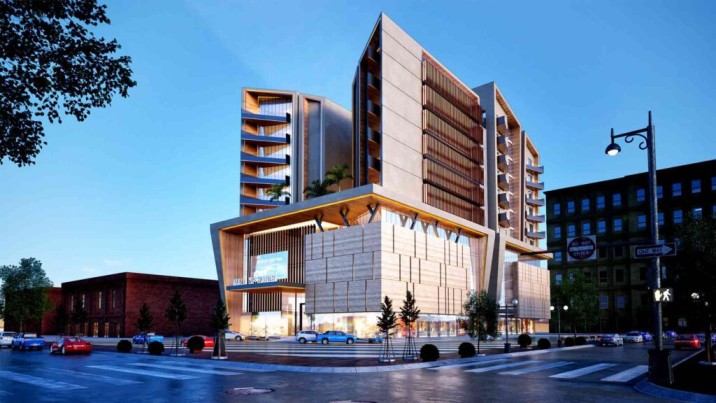
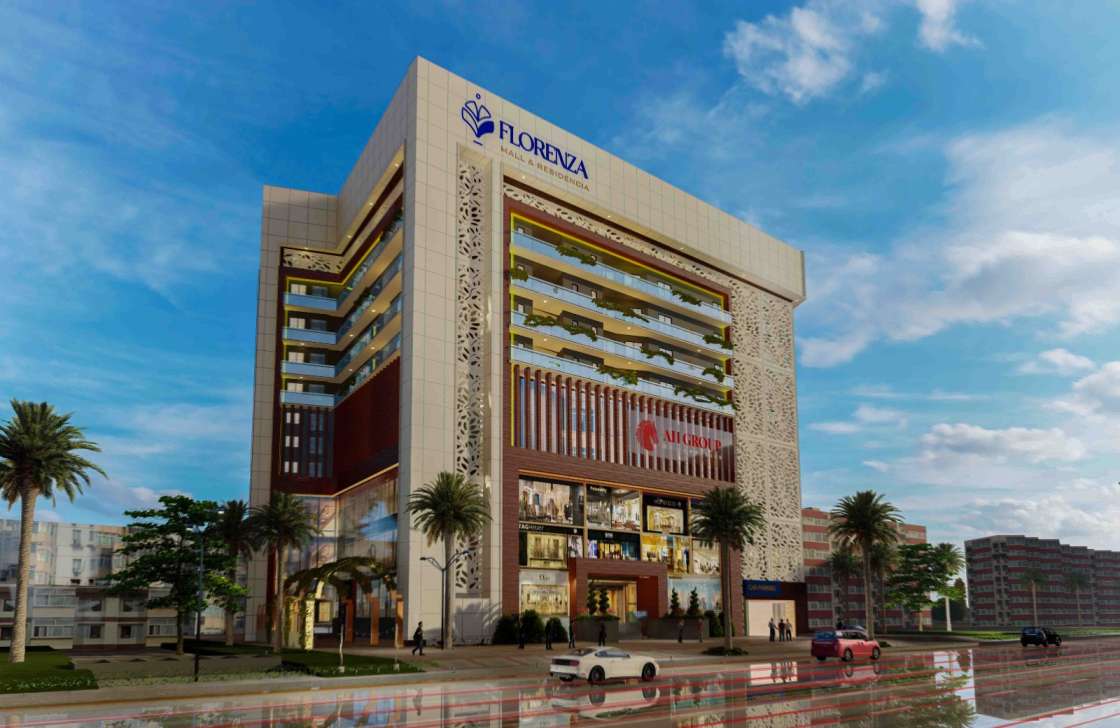
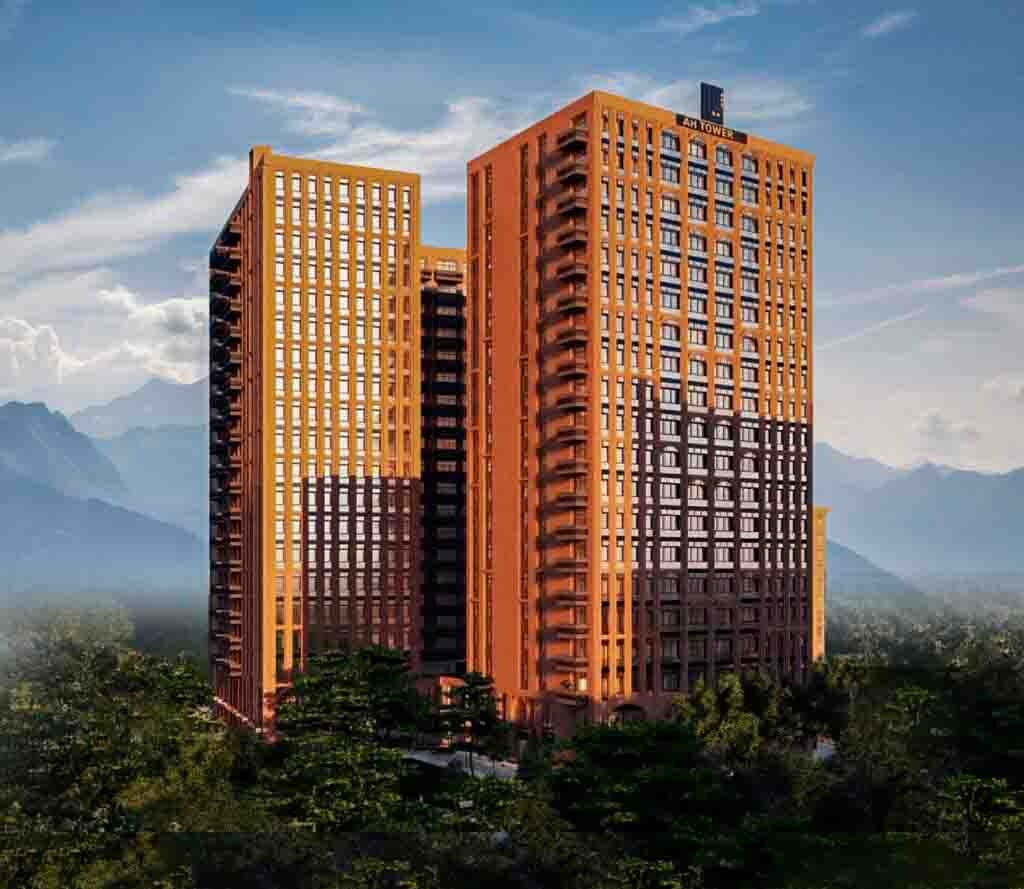
In recent years, Pakistan real estate has shown signs of recovery. Lower interest rates encouraged investments, and developers launched new projects in major cities. Vertical growth is now a key trend. High-rise buildings, mixed-use complexes, and corporate towers are changing city skylines.
The demand for housing continues to outpace supply, especially for affordable homes. Serviced apartments, townhouses, and eco-friendly villas are gaining popularity. Urbanization, population growth, and a focus on sustainability are driving this transformation.
Real estate in Pakistan today is not just about construction. It is about nation-building. It affects Pakistan economy, supports local industries, and creates jobs. Investments in infrastructure, commercial hubs, and housing projects reflect Pakistan progress and development goals.
Conclusion
From the 1970s to the present day, real estate in Pakistan has evolved from simple housing schemes to modern, high-tech developments. It has mirrored Pakistan history, adapted to political changes, and supported economic growth. Real estate has become a cornerstone of Pakistan development, improving infrastructure, supporting education, and driving progress in cities across the country.
The story of Pakistan real estate shows how a sector can transform a nation. From horizontal housing in the 70s to vertical skyscrapers and mixed-use communities today, every phase reflects Pakistan progress, economic growth, and a vision for the future. Real estate continues to be a key part of Pakistan history, shaping the lives of millions and influencing the country’s economy, education, and infrastructure.